Comprehensive Assessments
Thorough evaluations of decks and balconies to meet SB 326 & SB 721 standards.
Avoid fines, failed compliance, and liability. Get your inspection scheduled within 24–48 hours.
Serving leading property management firms and communities throughout SoCal






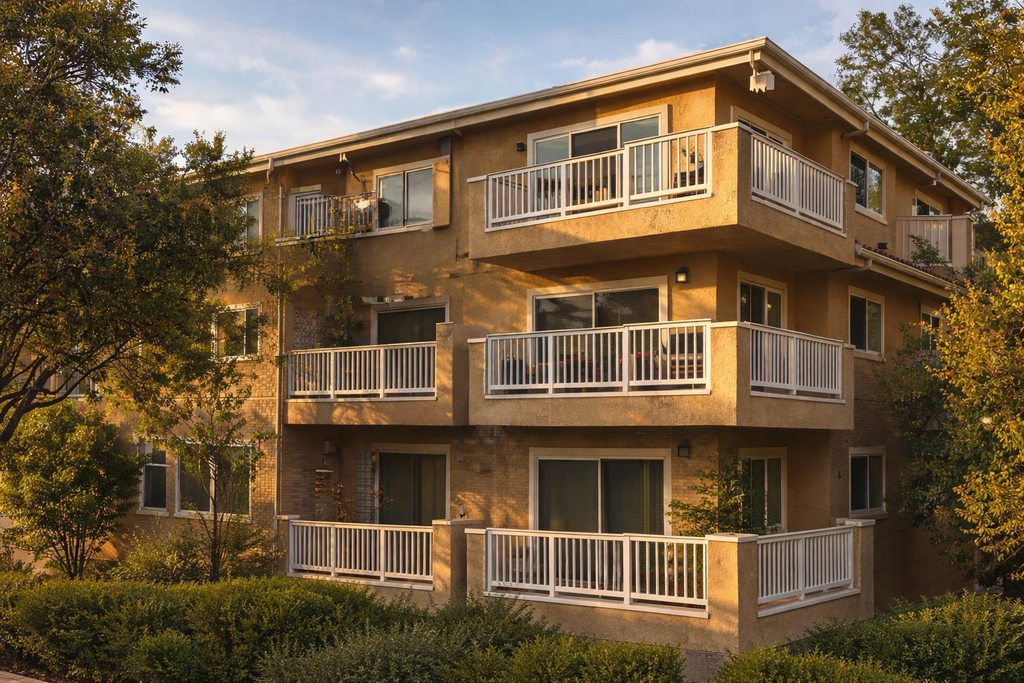
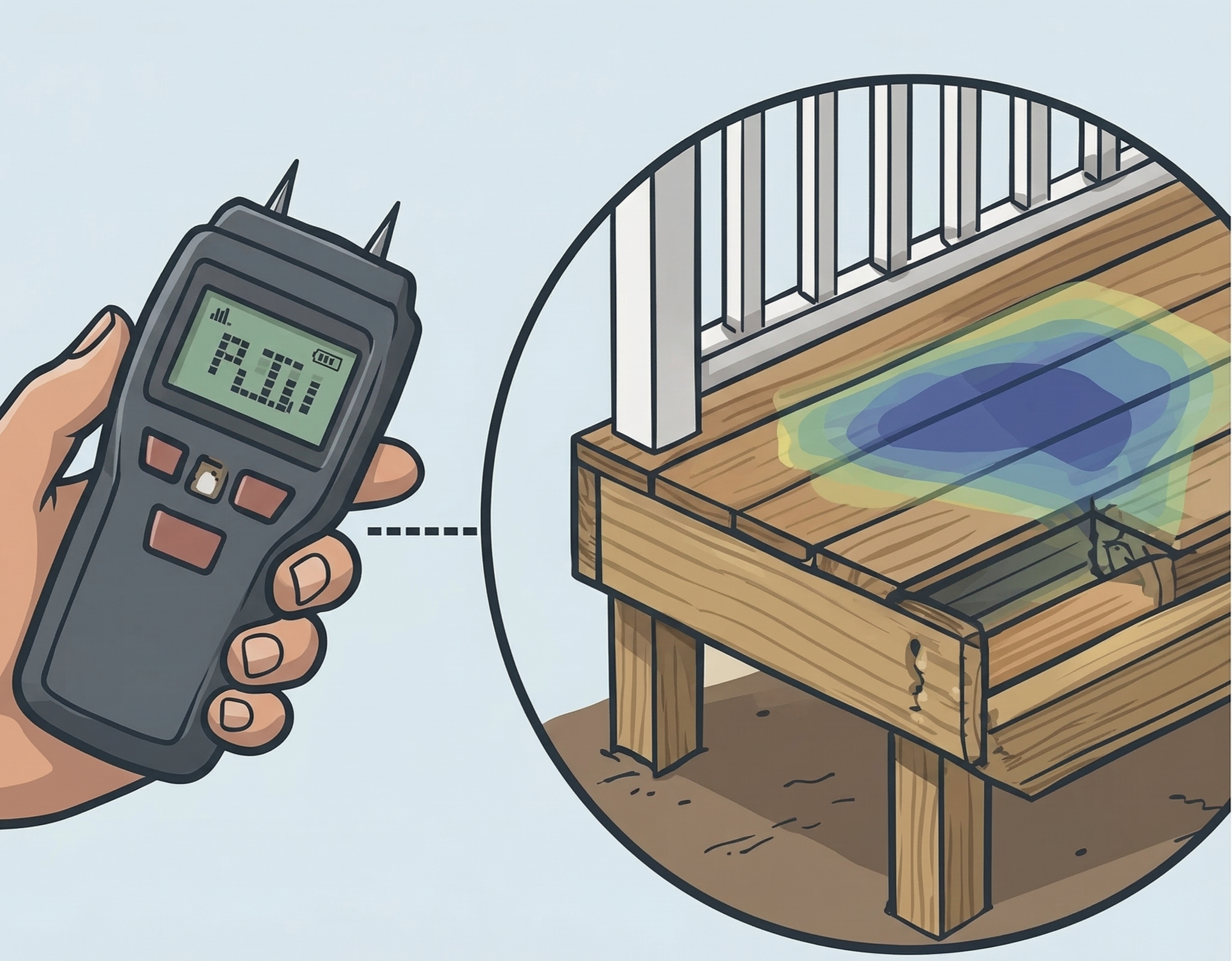
California law mandates strict inspections for multi-family residential buildings. We provide comprehensive, non-invasive, and invasive testing to guarantee safety and legal compliance.
Thorough evaluations of decks and balconies to meet SB 326 & SB 721 standards.
Non-invasive and invasive testing methods to ensure structural safety and compliance.
Certified professionals with extensive experience in deck and balcony inspections.
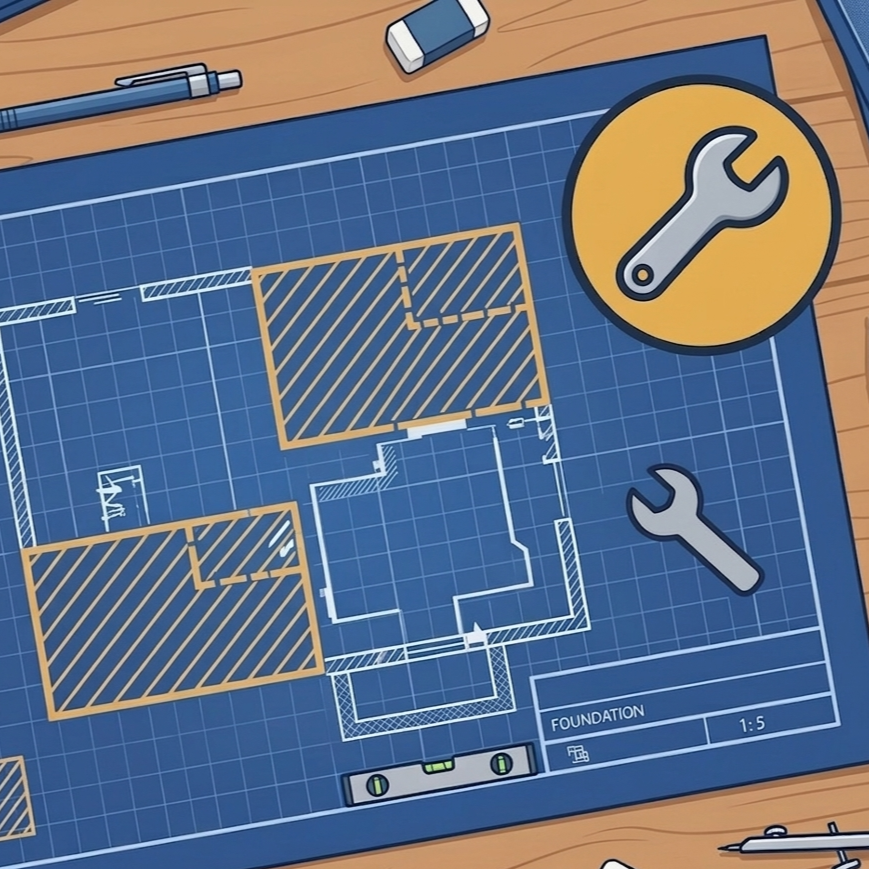
Simple, compliant support for HOA boards, owners, and property managers to keep your property moving with less guesswork. We define the scope early, coordinate access carefully, document the fieldwork clearly, and finish with a certified report you can act on.





Get a clear scope, schedule, and compliance plan tailored to your property before inspection days are set.
California's exterior elevated element laws are about safety, liability, and documented compliance. This quick comparison helps owners, HOAs, and property managers understand which law likely applies, what gets inspected, and how often inspections recur.
SB 326 is the recurring inspection law generally associated with condominium projects and HOA-governed multifamily communities.
SB 721 is the recurring inspection law generally associated with apartment ownership and rental housing properties.
In plain language, it is an exterior walking surface such as a balcony, deck, porch, stairway, walkway, or entry structure that extends beyond the building, sits more than six feet above grade, and relies in whole or substantial part on wood or wood-based structural support.
These inspections create a documented safety and compliance path. They help owners and boards catch moisture and structural deterioration earlier, budget more intelligently, and respond appropriately if repairs are needed.
The answer usually depends on the property type and ownership structure. During the first conversation, we review how the property is operated and which exterior elevated elements are present so you can move forward with the right inspection plan.
We can review the ownership structure, building type, and elevated elements on site and point you toward the right next step.